
How to Store Seasonal Clothes Efficiently for a Clutter-Free Home
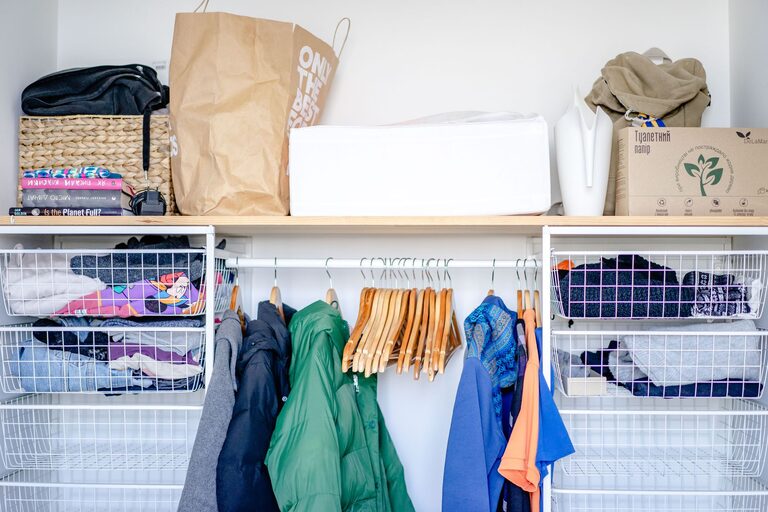
Storing seasonal clothes efficiently is a smart way to keep your home organized and your wardrobe in great shape. Whether you live in a place with four distinct seasons or simply rotate certain outfits throughout the year, having a good storage system can save space, protect your garments, and make dressing easier when the weather changes. In this post, we’ll explore practical tips and solutions for storing seasonal clothes, from sorting to packing and preserving.
Why Store Seasonal Clothes?
Clothing items like heavy coats, sweaters, and boots can take up a lot of space during warmer months, while summer shorts, tank tops, and sandals often clutter your closet when it’s cold outside. Storing these items properly helps:
– Free up closet and drawer space
– Protect clothes from damage like dust, mold, and pests
– Maintain garment quality and shape
– Speed up your daily routine by keeping only current-season clothes accessible
Step 1: Sort and Declutter Before Storing
Before packing away your clothes, take some time to sort through them.
Tips for Sorting Seasonal Clothes
– Try on items: See what still fits and feels good. Remove anything that no longer suits your style or size.
– Check condition: Set aside clothes that need repairs or cleaning.
– Donate or recycle: Clothes in good condition but no longer wanted can be donated or given away.
– Organize by category: Group clothing by types such as sweaters, pants, dresses, and accessories. This will make packing and unpacking easier.
Step 2: Clean Clothes Thoroughly
Always wash or dry clean clothes before storing them. Dirt, sweat, and oils can attract insects and cause stains to set permanently. Make sure your clothes are fully dry to prevent mildew.
Step 3: Choose the Right Storage Containers
The right container protects your clothes and helps preserve them. Here are some options:
Storage Bins and Boxes
– Use clear plastic bins to easily see the contents.
– Choose bins with tight-fitting lids to keep out dust and pests.
– Avoid cardboard boxes for long-term storage, as they can attract moisture and bugs.
Vacuum-Sealed Bags
– Great for saving space with bulky items like winter coats and blankets.
– Remove as much air as possible to reduce volume.
– Be cautious with delicate fabrics that may wrinkle or get crushed.
Garment Bags
– Ideal for suits, dresses, and delicate items.
– Use breathable fabric bags rather than plastic to prevent moisture buildup.
Under-Bed Storage
– Utilize space under the bed with low-profile containers or bags.
– This keeps your closet less crowded and items easily accessible.
Step 4: Add Protection Against Pests and Moisture
Seasonal clothes can fall victim to moths, mold, and mildew if not stored properly.
– Use natural repellents like cedar blocks, lavender sachets, or rosemary to deter moths.
– Avoid using mothballs, which contain harmful chemicals.
– Add silica gel packets to absorb moisture inside storage bins.
– Store containers in cool, dry places away from direct sunlight.
Step 5: Label Everything Clearly
When the next season arrives, you want to find your clothes quickly.
– Label each container or bag with the contents inside.
– Consider adding the type of clothing and the size for easy sorting.
– Use waterproof labels or markers to ensure labels don’t fade or rub off.
Step 6: Pack Smartly
How you pack clothes can impact how they look when you unpack.
– Fold sweaters and knitwear carefully to avoid stretching.
– Store shoes in individual bags or boxes to keep them clean.
– Place heavier items at the bottom of bins and lighter ones on top.
– Use tissue paper between delicate items to prevent wrinkles and color transfer.
Step 7: Store in Suitable Locations
Choose storage spots that maintain a stable temperature and low humidity.
– Closets or spare rooms inside your home are usually better than garages or basements.
– Avoid attics where temperature fluctuates widely.
– Keep bins off the floor using shelves or pallets to avoid dampness.
Tips for Quick Seasonal Clothing Rotation
– Keep a small “transition” section in your closet for early and late-season days.
– Rotate clothes monthly to spot any issues and freshen your wardrobe.
– Use hanging organizers or shelf dividers to separate seasonal items.
Final Thoughts
With a little planning and the right tools, storing seasonal clothes efficiently is a simple way to reduce clutter and protect your wardrobe. By sorting, cleaning, choosing proper containers, and labeling clearly, you’ll enjoy an organized home and hassle-free wardrobe changes throughout the year. Happy organizing!