Beginner Tips for Backyard Birdwatching: A Simple Guide
Birdwatching is a rewarding hobby that brings you closer to nature without needing to travel far. Your own backyard can become a vibrant habitat for a variety of birds, offering hours of peaceful observation. If you’re just starting out, this guide will help you attract birds, learn to identify them, and enjoy the experience fully.
Why Backyard Birdwatching?
Birdwatching in your backyard is convenient and affordable. It helps you develop a deeper appreciation for local wildlife and contributes to your mental well-being by connecting you with nature. Plus, it’s suitable for all ages and skill levels.
Getting Started: Essential Tips for Beginners
1. Create a Bird-Friendly Space
To attract birds, you need to offer the essentials: food, water, shelter, and nesting opportunities.
– Food: Use bird feeders filled with seeds like sunflower, millet, or mixed blends. Different birds prefer different seeds, so try various options.
– Water: Provide a clean water source such as a birdbath or small shallow dish. Moving water, like a dripper or fountain, attracts more birds.
– Shelter: Shrubs, trees, and bushes provide places for birds to hide and rest. Native plants are especially helpful.
– Nesting: Install birdhouses suitable for local species to encourage nesting.
2. Choose the Right Feeders
There are many types of feeders available:
– Tube feeders: Great for small songbirds like finches and chickadees.
– Platform feeders: Attract a variety of birds, including larger species.
– Suet feeders: Popular with woodpeckers and nuthatches.
– Hummingbird feeders: Designed for nectar to attract hummingbirds.
Keep feeders clean and regularly replenish food to prevent disease and keep birds coming back.
3. Learn to Identify Birds
Start by observing common species in your area. Use a bird guidebook or smartphone app to help with identification. Key features to note include:
– Size and shape
– Color patterns
– Beak type and shape
– Behavior and feeding style
– Sounds and songs
Keeping a birdwatching journal or checklist can be fun and educational.
4. Use Binoculars and Patience
Binoculars help you see details you might miss with the naked eye. Choose a lightweight, easy-to-use pair with moderate magnification (6x to 8x is ideal).
Patience is key. Birds may be shy at first but will become more comfortable over time. Try to move slowly and quietly in your yard.
5. Observe Ethical Birdwatching Practices
Respect the birds and their environment:
– Keep a safe distance; avoid touching nests or disturbing birds.
– Don’t overfeed or provide inappropriate foods.
– Protect your feeders from predators like cats.
– Avoid using pesticides or chemicals near bird habitats.
Seasonal Tips for Backyard Birdwatching
Spring and Summer
Spring is a great time to watch birds building nests and raising young. Keep feeders stocked and provide fresh water as temperatures rise.
Fall and Winter
In fall, migrating birds may pass through your yard. During winter, food becomes scarcer, so feeders play a vital role. Consider offering high-energy foods like suet and peanuts.
Common Backyard Birds to Watch For
Depending on your region, you might see:
– American Robin
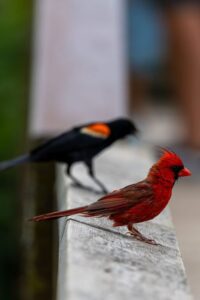
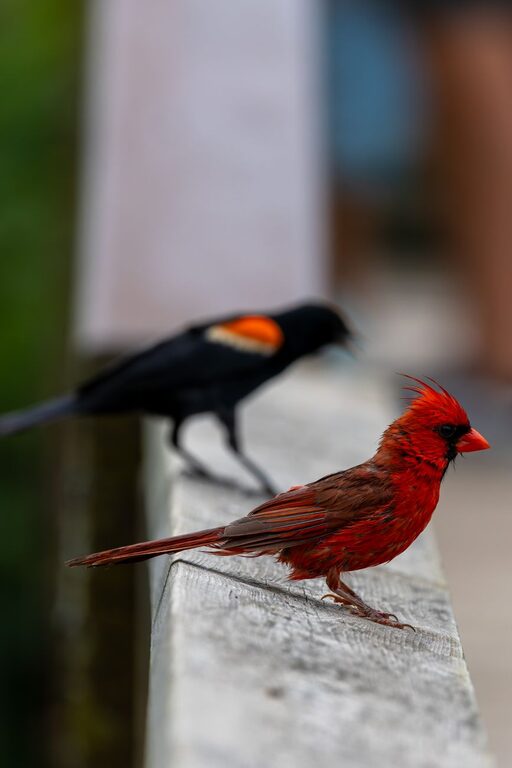
– Northern Cardinal
– Blue Jay
– Mourning Dove
– Chickadee
– House Finch
– Goldfinch
– Woodpecker species
Each bird adds its own charm, colors, and behaviors to your backyard experience.
Additional Resources and Community
Join local birdwatching groups or online forums to share sightings and tips. Many communities have bird counts or events that welcome beginners.
Final Thoughts
Starting backyard birdwatching is easy and enjoyable. By creating a welcoming environment and learning to observe patiently, you can foster a meaningful connection with nature. Remember to keep it simple and have fun discovering the birds right outside your window. Happy birdwatching!