
How to Set Realistic Weekly Goals for Better Productivity
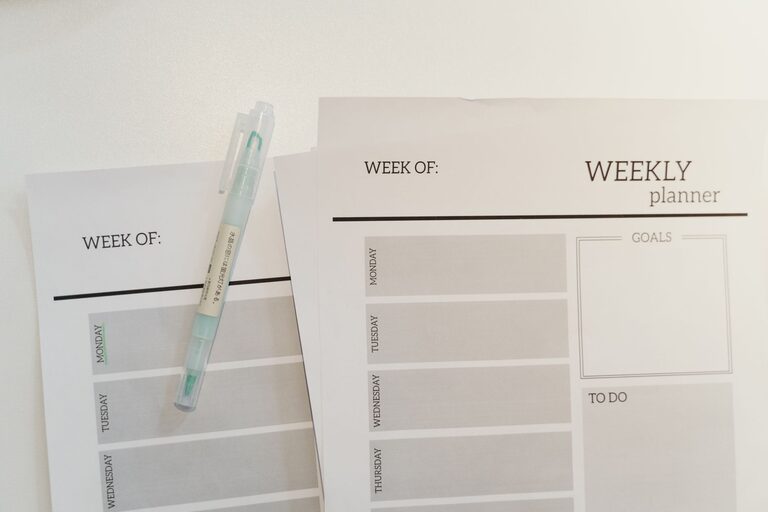
Setting realistic weekly goals is a powerful way to stay organized, motivated, and productive. When goals are clear and achievable, they can guide your actions, helping you focus on what truly matters. However, setting goals that are too ambitious or vague can lead to frustration and burnout. In this post, we’ll explore practical steps to set realistic weekly goals that keep you on track and encourage steady progress.
Why Set Weekly Goals?
Weekly goals break down larger projects or ambitions into manageable steps. They help you:
– Focus on priorities without feeling overwhelmed
– Track progress regularly
– Adjust plans as needed
– Build momentum by achieving small wins
– Maintain motivation by seeing real results
By planning in weekly increments, you give yourself enough time to make meaningful progress while keeping your goals flexible.
How to Set Realistic Weekly Goals
1. Reflect on Your Bigger Picture
Start by considering your long-term goals or ongoing responsibilities. Weekly goals should align with your monthly or yearly ambitions, whether it’s advancing your career, improving skills, or maintaining good habits.
Ask yourself:
– What do I want to achieve this year or this month?
– Which tasks or projects contribute most to this vision?
This reflection helps ensure your weekly goals support your broader objectives.
2. Be Specific and Clear
Vague goals are hard to measure and follow through on. Instead of “work on project,” try something like “draft the introduction and outline the first two sections.”
A good weekly goal should answer:
– What exactly do I want to accomplish?
– How will I know it’s done?
Being specific keeps you focused and reduces confusion.
3. Prioritize Your Goals
You might have many tasks to complete, but setting too many goals for one week can be counterproductive. Aim to identify the 3 to 5 most important goals that will make the biggest impact.
Use these tips to prioritize:
– Choose goals based on deadlines or urgency
– Focus on tasks that move you closer to your larger objectives
– Consider what will provide the most value or satisfaction
4. Break Goals into Manageable Tasks
For complex goals, outline smaller steps that can be completed within the week. This helps prevent procrastination and makes progress feel achievable.
For example: Instead of “prepare marketing report,” break it down to:
– Collect data from last month
– Analyze key metrics
– Write summary and recommendations
5. Set Realistic Timeframes
Be honest about the time and resources you have available during the week. Overestimating your capacity can lead to frustration, while underestimating might cause you to miss opportunities.
Consider your typical schedule and other commitments. It’s better to complete fewer goals well than to rush or leave many unfinished.
6. Use SMART Criteria
The SMART framework can help refine your goals:
– Specific
– Measurable
– Achievable
– Relevant
– Time-bound
For example, “Write 1,000 words for my blog post by Friday” is a SMART goal because it is clear, measurable, feasible, relevant to your work, and has a deadline.
7. Write Down Your Goals
Putting your goals in writing increases commitment and accountability. Use a planner, digital app, or journal—whatever works best for you.
Seeing your goals visually reminds you of your intentions and lets you track your progress.
8. Review and Adjust Regularly
At the end of the week, review what you accomplished:
– Which goals did you complete?
– What challenges did you face?
– What can you improve for next week?
This reflection allows you to learn and set better goals moving forward.
Tips for Staying on Track
Use Time Blocks
Schedule dedicated blocks of time for each goal or task. This guards against distractions and helps you focus.
Eliminate Distractions
Turn off notifications, create a tidy workspace, and communicate your schedule to minimize interruptions.
Celebrate Small Wins
Acknowledge your progress, even on minor goals. This boosts motivation and confidence.
Stay Flexible
Life happens, and sometimes goals need adjusting. Don’t be afraid to modify your plans while keeping your priorities clear.
Sample Weekly Goal Plan
| Goal | Tasks | Deadline | Status |
|—————————|—————————————|———-|———-|
| Complete blog post draft | Outline, research, write 1,000 words | Friday | Pending |
| Organize workspace | Sort papers, clean desk, file emails | Wednesday| Done |
| Exercise 3 times | Monday, Wednesday, Friday workouts | Friday | In Progress |
Conclusion
Setting realistic weekly goals is a skill that takes practice but pays off in improved productivity and satisfaction. By aligning with your bigger objectives, being specific, prioritizing wisely, and reviewing progress regularly, you can create a weekly plan that keeps you moving forward without stress. Give these strategies a try and watch your productivity soar one week at a time!